

Please wait..
Please wait..

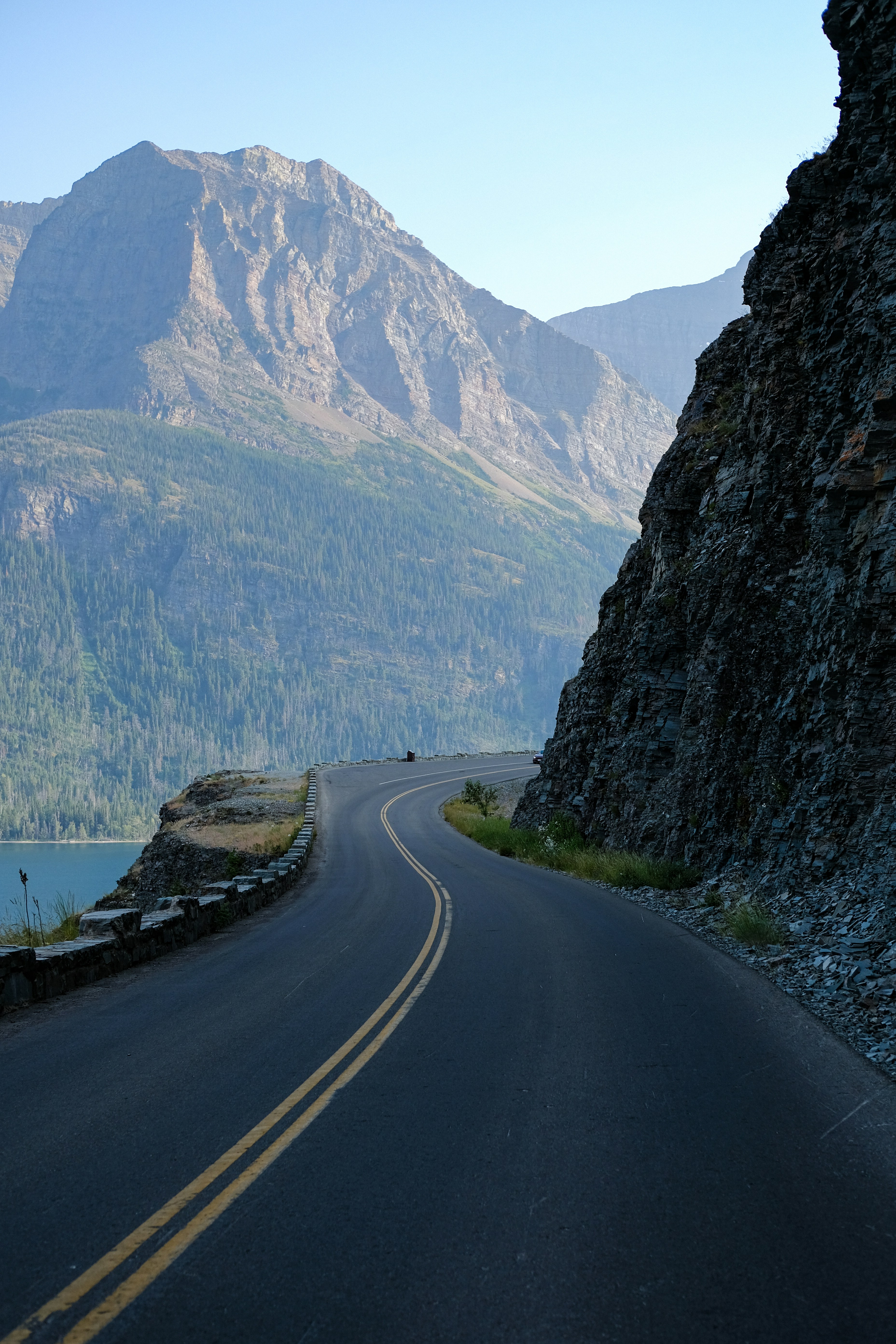
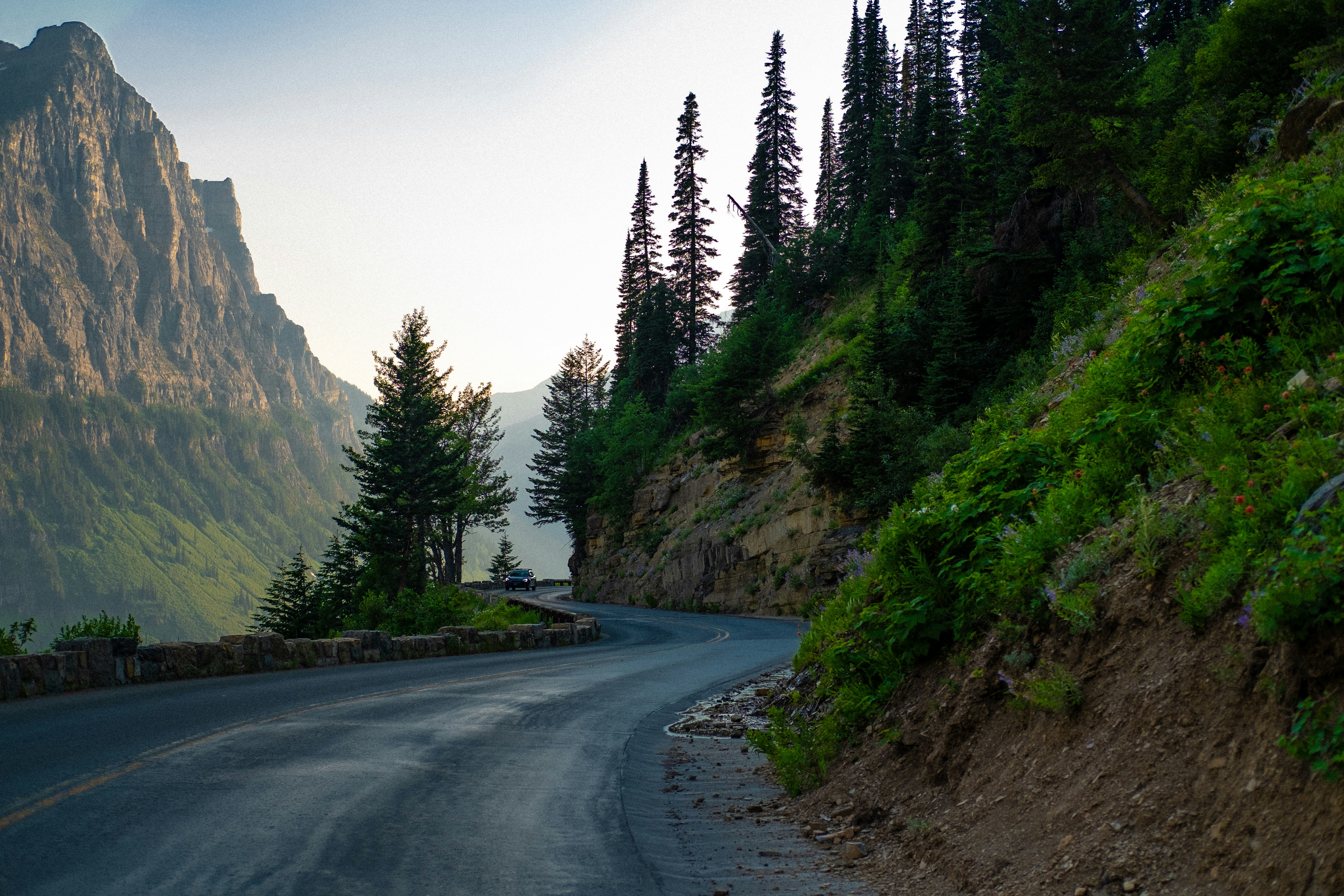
The Going-to-the-Sun Road is a 50-mile, two-lane highway that is a National Historic Landmark and a major highlight of any visit to Glacier National Park. As a masterpiece of engineering, the road traverses the park's interior, crossing the Continental Divide at Logan Pass at an elevation of 6,646 feet.
Here's a breakdown of what makes it so special and what visitors need to know:
Breathtaking Vistas: The road offers unparalleled views of glacial lakes, alpine forests, and rugged mountains. It's known for iconic stops like Lake McDonald, Trail of the Cedars, Jackson Glacier Overlook, and the dramatic curves of the Weeping Wall.
Wildlife Viewing: It's a prime location for spotting wildlife, with frequent sightings of mountain goats, bighorn sheep, and marmots, especially around Logan Pass.
Engineering Marvel: The road was built between 1921 and 1933, using minimal power tools and small explosive blasts to preserve the natural landscape. The result is a winding road that seems to blend seamlessly into the mountain's contours, with features like stone guardrails and the historic tunnels.
Seasonal Operation: The full length of the road is only open for a limited season, typically from late June to mid-October, depending on snow and weather conditions.
Vehicle Restrictions: The road is narrow and has tight turns. Vehicles longer than 21 feet or wider than 8 feet are prohibited between Avalanche Creek and Rising Sun.
Vehicle Reservation System: Due to its immense popularity, a timed entry vehicle reservation is required to drive the road from the West Entrance during peak hours (typically 6 a.m. to 3 p.m.) from late May through early September. This is in addition to the standard park entrance fee. Reservations can be made online through Recreation.gov.
Alternatives to Driving: For those who don't want to drive or can't get a vehicle reservation, the park offers a free shuttle service. There are also private bus tours, such as the famous Red Bus Tours, that provide a guided experience of the road's history and geology.